Disclaimer: This article is for educational purposes only and does not constitute medical or nutritional advice. Please consult with a healthcare professional or registered dietitian before making changes to your diet.
The connection between what we eat and how we feel has been a subject of growing scientific interest in recent years. An emerging field called nutritional psychiatry is exploring the complex relationship between diet and mental health, revealing fascinating insights about how our food choices may influence our emotional wellbeing.
While nutrition alone cannot treat mental health conditions, research suggests that dietary patterns may play a supportive role in overall mental wellness. In this article, we explore what science tells us about the food-mood connection and how understanding this relationship might help inform healthier choices.
The Gut-Brain Connection
One of the most intriguing discoveries in recent nutritional science is the extensive communication network between our gut and brain, often called the gut-brain axis. Our digestive system contains millions of neurons and produces many of the same neurotransmitters found in our brains, including serotonin, a chemical associated with mood regulation.
In fact, approximately 95% of the body's serotonin is produced in the gut. The bacteria that live in our digestive tract, collectively known as the gut microbiome, play a role in this production. This has led researchers to investigate whether supporting gut health through diet might have implications for mental wellbeing.
Blood Sugar and Mood Stability
The relationship between blood sugar levels and mood is well-documented. When we consume foods that cause rapid spikes in blood sugar followed by crashes, we may experience corresponding fluctuations in energy and mood. This can manifest as irritability, difficulty concentrating, or feelings of anxiety.
Foods high in refined sugars and simple carbohydrates tend to cause these rapid fluctuations, while complex carbohydrates, proteins, and healthy fats generally provide more stable energy. This is one reason why balanced meals and snacks may help support more consistent mood throughout the day.
"Let food be thy medicine and medicine be thy food." - Hippocrates
Key Nutrients for Brain Health
Research has identified several nutrients that appear to play important roles in brain function and mood regulation. While more studies are needed to fully understand these relationships, here are some nutrients that have received attention:
- Omega-3 Fatty Acids: Found in fatty fish, walnuts, and flaxseeds, these fats are important structural components of brain cells.
- B Vitamins: Particularly B12 and folate, found in leafy greens, legumes, and animal products, play roles in neurotransmitter production.
- Vitamin D: Sometimes called the "sunshine vitamin," it has receptors throughout the brain and may influence mood-related pathways.
- Magnesium: Found in nuts, seeds, and whole grains, this mineral is involved in hundreds of biochemical reactions, including those related to stress response.
- Zinc: Present in meat, shellfish, and legumes, zinc plays a role in neurotransmitter function.
Dietary Patterns and Mental Health
Rather than focusing on individual nutrients, researchers are increasingly examining overall dietary patterns and their associations with mental health. The Mediterranean diet, characterized by abundant fruits, vegetables, whole grains, olive oil, and fish, has received particular attention.
Several observational studies have found associations between Mediterranean-style eating patterns and lower rates of depression. While these studies cannot prove causation, they suggest that dietary patterns emphasizing whole, minimally processed foods may support mental wellbeing.
Conversely, diets high in processed foods, added sugars, and unhealthy fats have been associated in some studies with higher rates of depression and anxiety. This doesn't mean these foods directly cause mental health issues, but the correlation has prompted further investigation.
Practical Considerations
If you're interested in exploring how nutrition might support your mental wellbeing, here are some general principles that many nutrition experts suggest:
- Focus on whole, minimally processed foods when possible
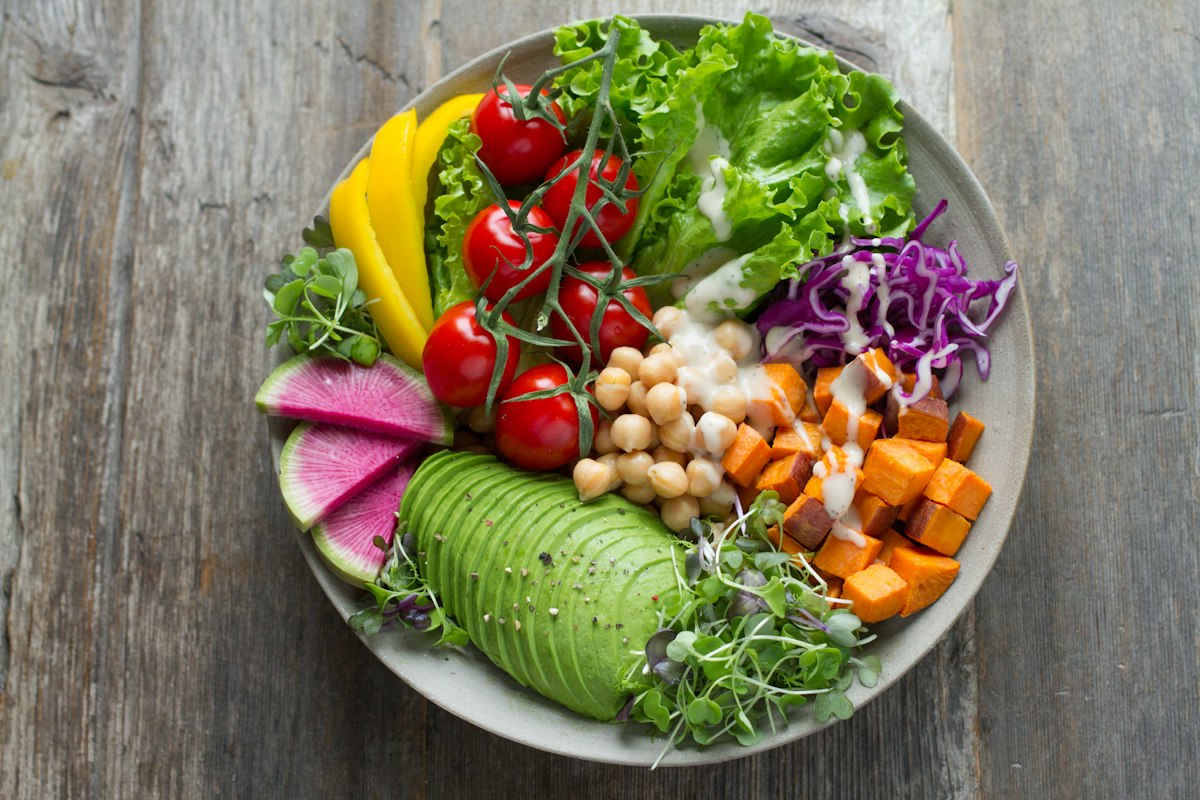
- Include a variety of colorful fruits and vegetables
- Choose whole grains over refined grains
- Include sources of omega-3 fatty acids regularly
- Stay adequately hydrated throughout the day
- Be mindful of alcohol and caffeine consumption
Important Limitations
It's crucial to understand that while nutrition may play a supportive role in mental health, it is not a replacement for professional mental health care. Depression, anxiety, and other mental health conditions are complex and influenced by many factors including genetics, life experiences, and brain chemistry.
If you're experiencing mental health challenges, please seek support from qualified healthcare professionals. Dietary changes can be one component of a comprehensive approach to wellbeing, but they should complement, not replace, appropriate medical care.
Conclusion
The relationship between diet and mood is an exciting area of ongoing research. While we still have much to learn, current evidence suggests that what we eat may influence how we feel in meaningful ways. By making informed food choices and maintaining balanced nutrition, we may be supporting not just our physical health, but our mental wellbeing as well.
Remember that everyone is different, and what works for one person may not work for another. Consider working with healthcare professionals or registered dietitians to develop an eating plan that supports your individual health needs and goals.
Note: This article is for informational purposes only and should not be used to diagnose or treat any medical condition. Always consult with qualified healthcare providers for personalized advice regarding your health and nutrition.